
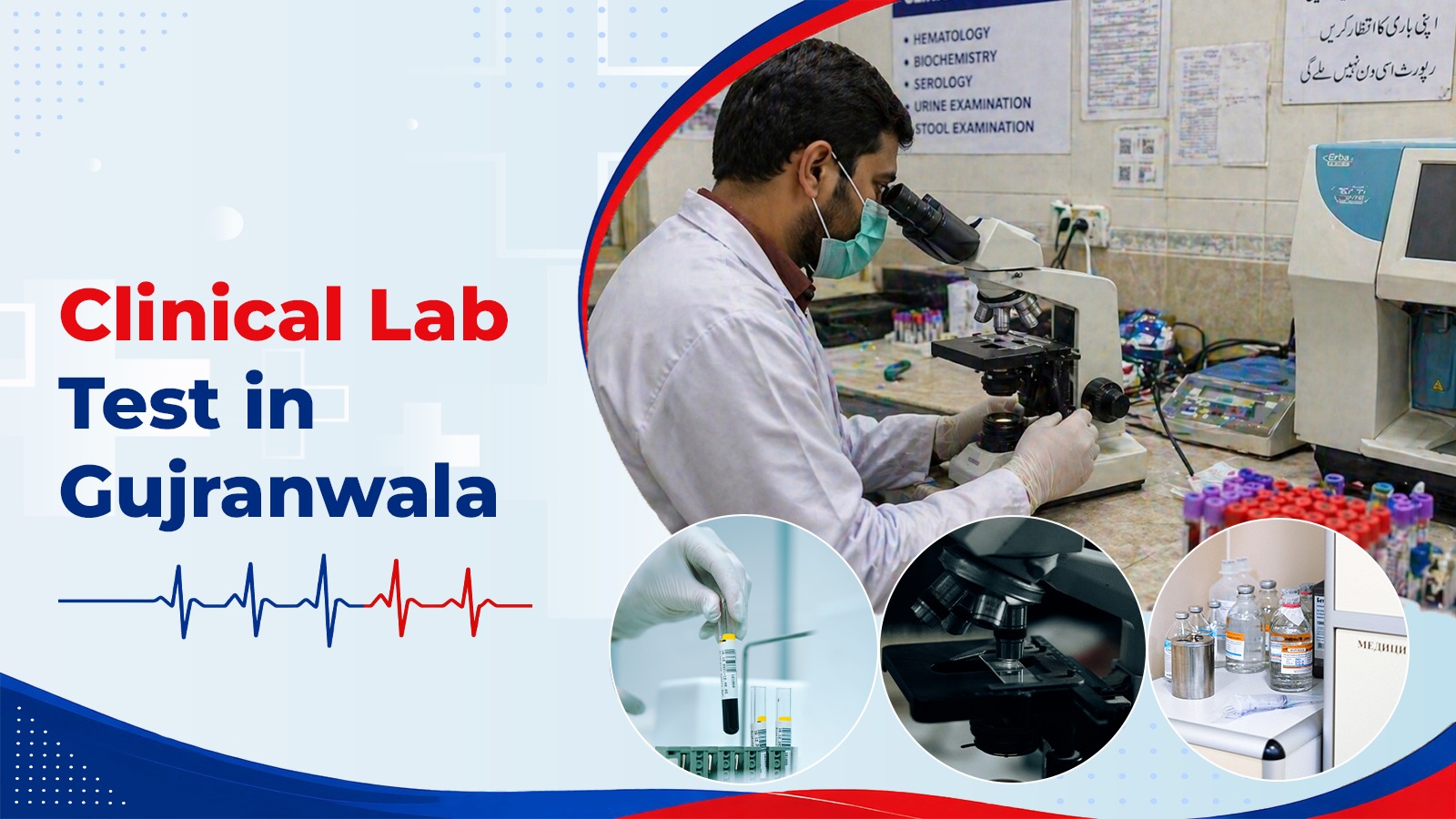
Clinical lab tests in Gujranwala help doctors investigate symptoms of fever, weakness, diabetes, urinary problems, liver or kidney concerns, and other health conditions. At Minsa Hospital Gujranwala, patients can access routine and specialised laboratory testing, including CBC, blood sugar, urine analysis, liver and kidney function tests, thyroid profile, lipid profile, infection screening, and hormonal testing.
When someone in the family has continuous fever, unexplained tiredness, dizziness, burning urination, swelling, weight changes, or symptoms of diabetes, the first concern is often simple: what is causing this problem?
Many illnesses produce similar symptoms. Fever may be related to different infections. Weakness may be linked to anaemia, raised blood sugar, thyroid imbalance, or another medical condition. Without proper investigation, treatment may be delayed or based solely on symptoms.
A clinical laboratory test provides the doctor with useful information to determine what needs attention, whether treatment is required, and whether further investigation is needed.
What Are Clinical Lab Tests?
Clinical lab tests are investigations performed on samples such as blood or urine. They support diagnosis, monitor existing conditions, assess treatment response, and help identify certain health concerns early.
According to MedlinePlus Medical Tests, medical tests can help detect a condition, support diagnosis, plan treatment, and monitor health over time.
Common clinical lab tests include:
- Complete Blood Count (CBC)
- Blood sugar testing
- Urine analysis
- Liver Function Tests (LFT)
- Kidney Function Tests (KFT)
- Thyroid profile
- Cholesterol and lipid profile
- Hormonal tests
- Infection and fever screening
A test report alone is not a final diagnosis. Doctors consider the patient’s symptoms, history, examination, and test findings together before advising treatment.
Why Patients Need Clinical Lab Tests in Gujranwala
People often delay testing because symptoms initially feel manageable. A patient may continue taking medication for recurrent fevers even if the cause is unknown. Someone tired may assume it is caused by the daily routine, even when anaemia or a thyroid condition may be contributing. A person with frequent urination may ignore a possible sign of raised blood sugar.
Timely laboratory testing can help doctors:
- Investigate persistent fever or suspected infection
- Identify possible anaemia in patients with weakness or pale skin
- Screen for or monitor diabetes
- Assess kidney and liver function
- Examine urinary symptoms
- Investigate thyroid-related changes
- Monitor cholesterol and related health risks
- Decide whether treatment or further testing is required
Patients seeking local diagnostic support can review clinical lab tests at Minsa Hospital or explore the hospital’s wider range of healthcare services in Gujranwala.
Clinical Lab Tests Available at Minsa Hospital, Gujranwala
Minsa Hospital lists routine blood work, pathology testing, and specialised investigations as part of its clinical laboratory services. These investigations support routine patient care and symptoms that require further medical evaluation.
Complete Blood Count (CBC)
A CBC is one of the most commonly advised blood tests. It measures important parts of the blood, including red blood cells, white blood cells, platelets, haemoglobin, and haematocrit.
A doctor may advise a CBC for patients with:
- Persistent fever
- Tiredness or weakness
- Pale skin
- Suspected infection
- Unusual bleeding or bruising
- Possible anaemia
For example, a patient who feels weak and short of breath during routine activity may need a CBC to check whether low haemoglobin could be contributing to the symptoms.
The MedlinePlus Complete Blood Count (CBC) guide explains what a CBC measures and why doctors may use it to investigate concerns such as infection and anaemia.
Blood Sugar and Diabetes Screening
Blood sugar testing helps doctors screen for diabetes and monitor patients who already have diabetes. It may be advised when a person has:
- Increased thirst
- Frequent urination
- Blurred vision
- Slow wound healing
- Unexplained weight changes
- Repeated infections
- A family history of diabetes
Some people with raised blood sugar do not notice strong symptoms early. Testing may therefore be advised during a medical assessment or as part of regular monitoring.
The National Institute of Diabetes and Digestive and Kidney Diseases (NIDDK) provides patient information on diabetes testing, including fasting plasma glucose, A1C, and oral glucose tolerance testing. The appropriate test depends on the patient’s condition and the doctor’s advice.
Urine Analysis
A urine test can help doctors investigate urinary symptoms, suspected infections, kidney concerns, and signs of diabetes.
A patient may need a urine analysis if they have:
- Burning during urination
- Frequent urination
- Lower abdominal discomfort
- Blood in urine
- Fever with urinary symptoms
- Swelling or possible kidney concerns
- Diabetes-related monitoring needs
For example, burning urination with fever should not be repeatedly managed with home remedies without medical assessment. A doctor may advise urine analysis and other investigations according to the patient’s symptoms.
Liver Function Tests (LFT)
Liver function tests measure substances in the blood that can change when the liver is affected by disease, infection, medicines, or other health conditions.
Doctors may advise LFTs when a patient has:
- Yellowing of the eyes or skin
- Dark urine
- Abdominal discomfort
- Loss of appetite
- Ongoing weakness
- A history of liver problems
- A need to monitor certain medicines
Liver-related symptoms may not show how much the liver is affected. Laboratory testing gives the doctor more information for medical review. Patients can read general information about these investigations on the MedlinePlus Liver Function Tests page.
Kidney Function Tests (KFT)
Kidney function tests help doctors assess how well the kidneys are filtering waste from the blood. These tests may be advised for patients with:
- Diabetes
- High blood pressure
- Swelling in the feet or face
- Changes in urination
- Long-term illness
- Suspected kidney problems
Kidney problems can develop gradually without obvious early symptoms. In patients with diabetes or high blood pressure, a doctor may recommend testing as part of ongoing care.
Thyroid Profile
The thyroid gland affects energy, body weight, heart rate, and several other body functions. Thyroid problems can cause symptoms that are easily confused with stress, poor sleep, or general tiredness.
A doctor may advise a thyroid profile for symptoms such as:
- Unexplained weight gain or weight loss
- Continuous fatigue
- Fast heartbeat
- Hair fall
- Feeling unusually cold or hot
- Irregular menstrual cycles
- Anxiety or restlessness
A thyroid test can help determine whether these symptoms may be related to thyroid hormone imbalance.
Cholesterol and Lipid Profile
A lipid profile checks blood fats, including cholesterol and triglycerides. High cholesterol may not cause clear symptoms, which is why testing matters for patients with increased cardiovascular risk.
Doctors may recommend a lipid profile for people with:
- Diabetes
- High blood pressure
- Obesity
- A family history of heart disease
- Previous heart-related concerns
- A need for regular health monitoring
Test results help doctors advise patients about lifestyle changes, treatment, or follow-up testing when required.
Infection, Fever, and Hormonal Testing
Some patients require additional testing when routine reports do not fully explain their symptoms. Minsa Hospital lists infection and fever screening, hormonal testing, and specialised investigations among its clinical laboratory services.
These investigations may be considered for persistent symptoms, suspected hormonal imbalance, recurring fever, or another concern requiring further evaluation.
When Should You Get a Clinical Lab Test?
Not every mild symptom requires immediate laboratory testing, but some problems should be discussed with a doctor rather than ignored.
You may need a clinical lab test if you have:
- Fever that continues, returns, or becomes worse
- Unusual weakness, dizziness, or pale skin
- Frequent urination or excessive thirst
- Burning urination or blood in urine
- Yellow eyes or skin
- Swelling of the feet or face
- Unexplained weight loss or weight gain
- Ongoing abdominal pain
- Symptoms suggesting thyroid or hormonal imbalance
- An existing condition, such as diabetes, that requires monitoring
Patients with severe chest pain, breathing difficulty, loss of consciousness, major bleeding, fits, severe dehydration, or a seriously unwell child should seek urgent medical care instead of waiting for routine testing. Minsa Hospital provides information about its 24/7 emergency care in Gujranwala.
What Happens During a Clinical Lab Test?
Many patients feel worried before a blood test, especially children, older adults, or people having their first investigation. Most routine laboratory tests involve a straightforward process.
Doctor’s Assessment
A doctor may discuss the patient’s symptoms and advise the medically relevant test. This helps avoid unnecessary investigations and ensures the report answers the right clinical question.
Sample Collection
Depending on the test, a blood or urine sample may be collected. For a routine blood test, a small amount of blood is usually taken from a vein in the arm.
Laboratory Examination
The collected sample is processed for the requested investigation. Accurate patient identification, safe sample handling, and appropriate reporting are important because doctors may rely on the findings for treatment decisions.
Report Review
Once the result is available, it should be reviewed by a doctor, especially if values are abnormal or symptoms continue. Patients should not start, stop, or change medicines only based on a report without medical advice.
Do You Need Fasting Before a Lab Test?
Not all clinical lab tests require fasting.
A CBC generally does not require special preparation unless other tests are being performed at the same time. Some blood sugar or lipid-related tests may require fasting, depending on the investigation advised.
For certain diabetes tests, fasting is required. The NIDDK diabetes testing guidance explains that a fasting plasma glucose test is generally performed in the morning after fasting for at least 8 hours, with only sips of water allowed during the fasting period.
Before visiting the lab, ask:
- Is fasting required for my test?
- Can I drink water?
- Should I take my regular medicine?
- Is a morning sample required?
- Should I bring previous reports?
Patients should not stop prescribed medicines unless a doctor advises them to do so.
Clinical Lab Tests vs Ultrasound and X-Ray
Patients sometimes assume that a blood test, ultrasound, or X-ray provides the same information. These investigations examine different aspects of health.
| Investigation | What It Examines | Common Examples |
| Clinical lab test | Blood, urine or other samples | CBC, blood sugar, LFT, KFT, thyroid profile |
| Ultrasound | Internal organs and soft tissues using imaging | Abdomen, pregnancy-related imaging, organ assessment |
| Digital X-ray | Bones or certain chest and body findings | Chest X-ray, bone injury evaluation |
A patient with abdominal pain may need blood tests to assess infection or liver function and an ultrasound to examine internal organs. Minsa Hospital offers clinical laboratory, ultrasound, Color Doppler, and digital X-ray services among its diagnostic facilities.
Clinical Lab Test Cost in Gujranwala
The cost of a clinical lab test depends on the specific test ordered, whether it is a single test or a profile, and whether additional tests are required.
| Type of Test | Examples | Cost Guidance |
| Routine blood tests | CBC, blood sugar | Confirm current charges with the hospital |
| Organ function testing | LFT, KFT | Cost depends on the required profile |
| Hormonal testing | Thyroid profile and other hormonal investigations | Cost varies according to the test requested |
| Infection screening | Fever or infection-related investigations | Tests are selected according to symptoms and medical advice |
| Combined investigations | More than one test requested together | Confirm the total cost before sample collection |
Patients should contact Minsa Hospital directly for current clinical laboratory test charges before visiting.
Choosing a laboratory only because it appears cheaper may not be the safest decision. Patients may also need proper medical advice, reliable reporting, follow-up consultation, or additional diagnostic support if the result is abnormal.
How to Choose a Clinical Laboratory in Gujranwala
A lab report may influence decisions about medicines, further investigations, and treatment. Patients should therefore consider quality and clinical support when choosing a laboratory.
Look for a facility that provides:
- Clear instructions before testing
- Safe and hygienic sample collection
- Proper identification before collecting a sample
- Reliable reporting procedures
- Access to medical advice for interpreting abnormal results
- Additional diagnostic or hospital support when required
In Pakistan, the Pakistan National Accreditation Council (PNAC) provides accreditation services for medical laboratories under ISO 15189. Patients may ask a facility about its quality procedures and applicable accreditation status when choosing a laboratory for important investigations.
Clinical Lab Testing at Minsa Hospital, Gujranwala
For patients who need testing along with medical assessment, a hospital-based laboratory can make the care process more organised. A patient with a fever may need a blood test followed by a doctor’s review. A person with urinary symptoms may need both investigation and treatment advice. A patient with abnormal findings may require further diagnostic support.
At Minsa Hospital Gujranwala, the clinical laboratory provides diagnostic testing including CBC, blood sugar and diabetes screening, urine analysis, liver function tests, kidney function tests, thyroid profile, lipid profile, infection and fever screening, hormonal testing, and specialised investigations. Patients can view the full Clinical Lab Tests service page for more information.
Conclusion
Clinical lab tests in Gujranwala are an important part of understanding symptoms and planning medical care. Whether a patient has fever, weakness, urinary symptoms, diabetes concerns, thyroid-related changes, or needs regular monitoring, the right investigation can help a doctor make a more informed decision.
Minsa Hospital supports patients and families in Gujranwala with clinical laboratory testing and related diagnostic services, helping them move from uncertainty toward appropriate medical guidance.
Book a Clinical Lab Test in Gujranwala
For clinical lab tests, diagnostic support, or a doctor’s consultation, contact Minsa Hospital Gujranwala.
Address: 119-D Ghulam Dastagir Khan Road, Block-D Satellite Town, Gujranwala, 52250
Phone: (055) 3842367
Mobile: 0309-4079897
Frequently Asked Questions
1. What are clinical lab tests?
Clinical lab tests are investigations performed on samples such as blood or urine. They help doctors investigate symptoms, support diagnosis, monitor disease, and assess treatment progress.
2. Which clinical lab tests are available at Minsa Hospital, Gujranwala?
Minsa Hospital lists CBC, blood sugar and diabetes screening, urine analysis, liver function tests, kidney function tests, thyroid profile, cholesterol and lipid profile, infection and fever screening, hormonal testing, and other routine or specialised investigations. Patients can view the hospital’s Clinical Lab Tests service page.
3. Can I get a CBC test in Gujranwala at Minsa Hospital?
Yes. CBC is listed among the clinical laboratory investigations available at Minsa Hospital, Gujranwala. A doctor may advise it for symptoms such as fever, weakness, suspected infection, or possible anaemia.
4. Do all blood tests require fasting?
No. A CBC usually does not require special preparation, although fasting may be required if other tests are performed at the same time. Some blood sugar or lipid-related tests may require fasting. Follow the instructions from your doctor or the laboratory.
5. What tests may be advised for diabetes symptoms?
A doctor may advise blood sugar-related tests when a patient has increased thirst, frequent urination, blurred vision, unexplained weight changes, or other symptoms of possible diabetes. The required test depends on the individual patient.
6. Can lab tests identify the cause of fever?
Lab tests can help a doctor investigate possible causes of fever. Depending on symptoms and examination findings, a doctor may advise a CBC, urine analysis, infection screening, or other relevant tests.
7. How much do clinical lab tests cost in Gujranwala?
The cost depends on the exact test or profile required. Patients should contact Minsa Hospital directly for current charges before testing.
8. Should I consult a doctor after receiving my test report?
Yes, particularly if the result is abnormal or symptoms continue. A doctor can interpret the report in relation to symptoms, medical history, and current treatment.
9. Does Minsa Hospital provide diagnostic services besides laboratory testing?
Yes. In addition to clinical lab testing, Minsa Hospital lists ultrasound and Color Doppler, digital X-ray, and other hospital services.
10. Where is Minsa Hospital located in Gujranwala?
Minsa Hospital is located at 119-D Ghulam Dastagir Khan Road, Block-D Satellite Town, Gujranwala, 52250. Patients can call (055) 3842367 or 0309-4079897 for further information.